
March 14, 2025
Ilse Crawford on the future of space
ILSE CRAWFORD
on the future of space
INTERVIEW
“We spend a lot of time understanding how people use space – we listen a lot, we watch a lot,” says British designer Ilse Crawford, describing how she and her team approach interiors. To succeed it’s important to integrate essential truths, she argues. “Often it’s very basic – sometimes it’s just about framing the blindingly obvious, the very simple things we need. For example, our instinct for beauty. And the fact that we are happy together but we also need a corner to disappear into. Or that we all like to hang out in the kitchen.”
Studioilse – which Crawford set up in 2003 – has, among its many renowned projects, completed the interiors for two additional buildings of the boutique hotel Ett Hem in Stockholm (the original, also designed by Studioilse, opened in 2012). Although the hotel has now doubled in size, adding another 10 rooms and three residential apartments, the team has worked hard to make it remain “small”.
“Ideally being scalable is keeping the essence of the brand while allowing for change, " Ilse Crawford says. "We kept the individual scale and character of each house while evolving and adding meaningful functions. In order to grow it didn’t have to be ‘the same but bigger’, it could be a sibling – simply the house next door.”
WORDS
PHOTOGRAPHY
Jonna Dagliden Hunt
Christopher Hunt
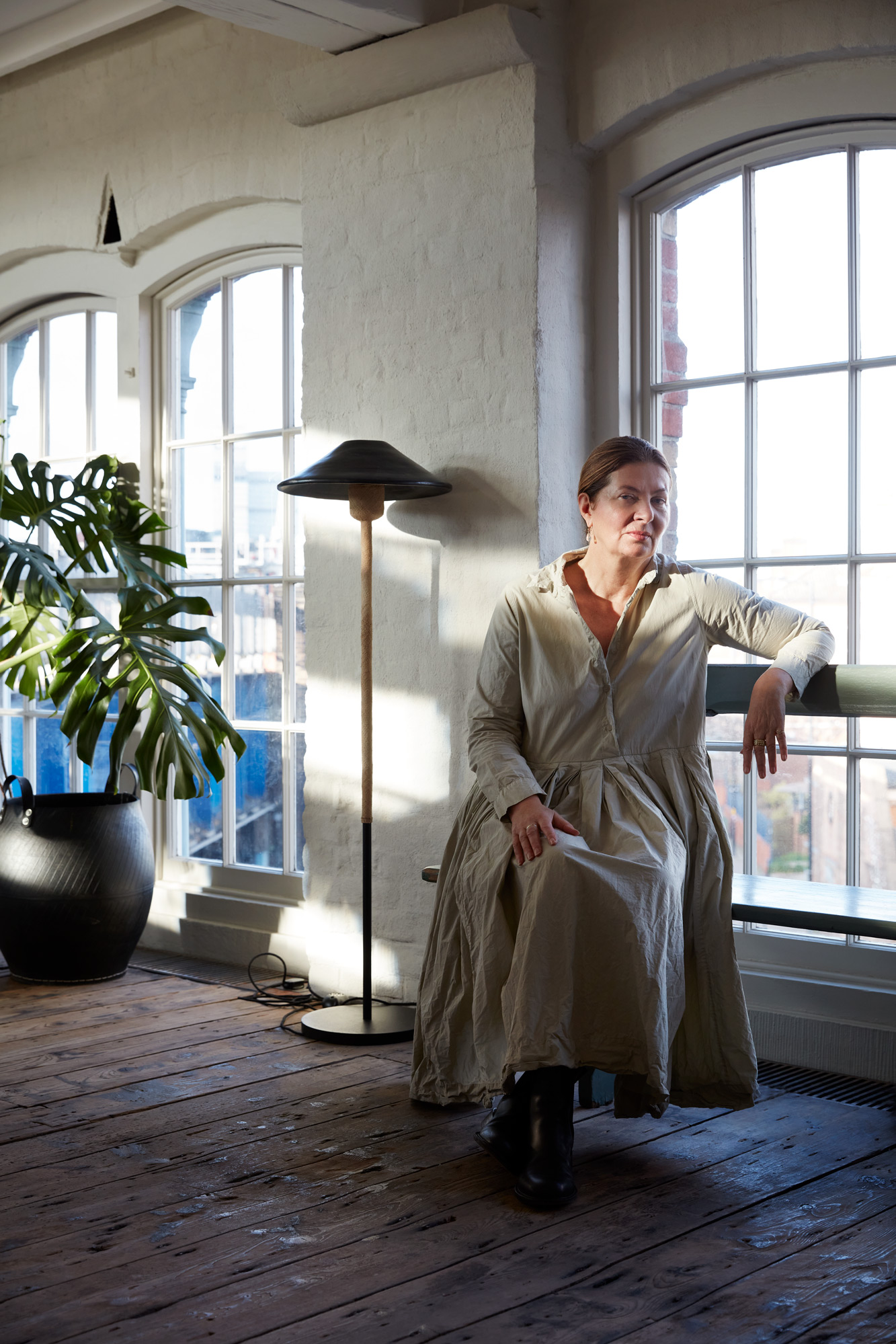
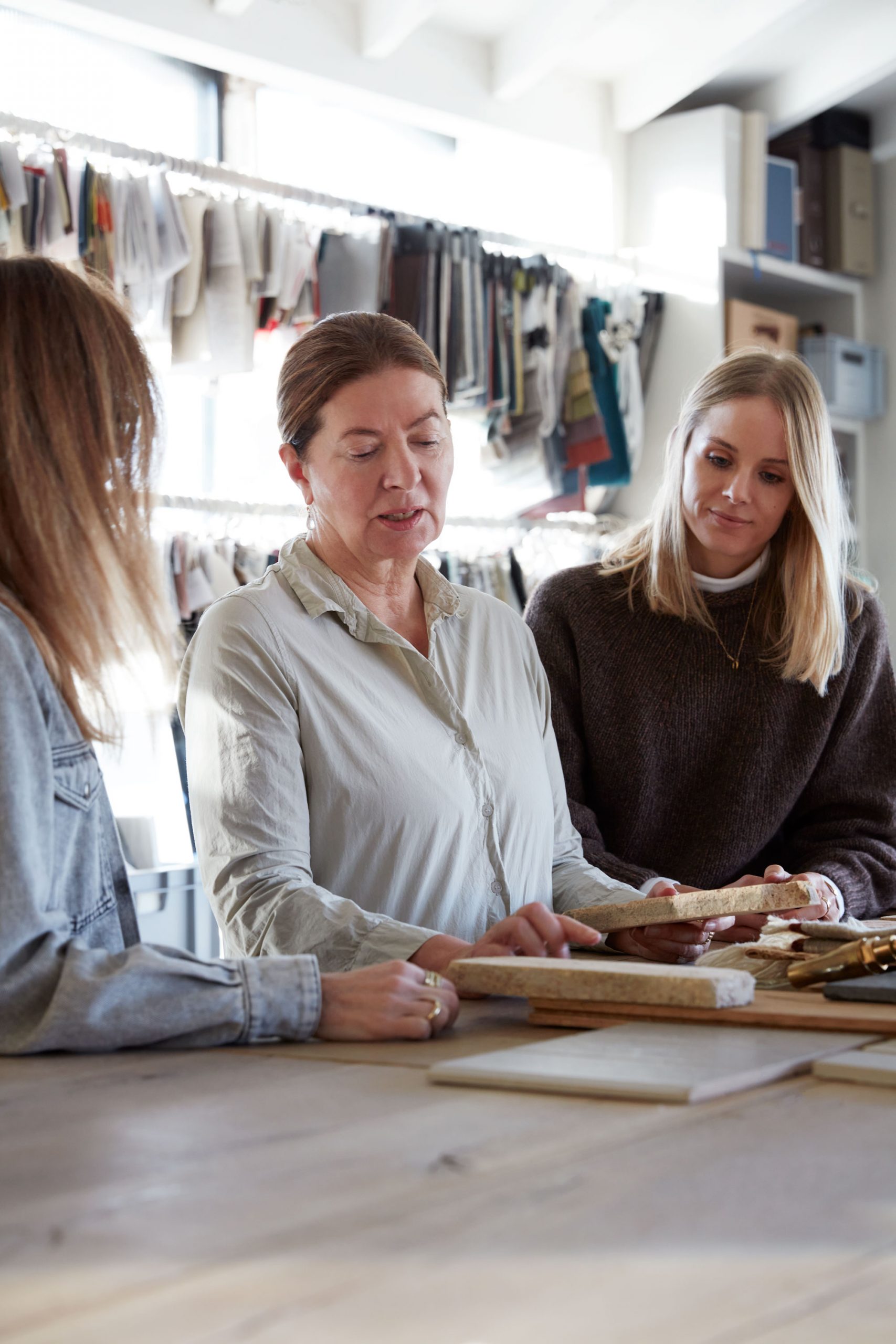
We meet with Crawford at her Neckinger Mills studio – a Grade II-listed former tannery on Abbey Street in Bermondsey, south London. Crawford and her husband Oscar Peña have lived in the building since 2018 and the studio has been here since 2012. In 2021 Studioilse moved in to one of the spaces that was formerly a fine arts restoration studio with a view to turning it into a workshop, a place where physicality is first and foremost. Here the team can work together and lay out large-scale material samples, often with their clients, so they can touch and feel the materiality of a project, and understand the final result, rather than prioritising screens. These are here of course – but screen work can also be done from home. A social kitchen in the middle of the space as well as a big table used as a shared desk create the feeling of a communal working space rather than a traditional office. “It’s really important that the atmosphere of a studio is also one that makes you aware that you are designing a new reality,” says Crawford, adding that what she finds fascinating about designing the interiors of buildings is designing them around people’s behaviour, whilst making sure that they are also beautiful. “You’re not just doing the aesthetics – although obviously that is really important and one of our tools; after all, it’s the language we work with – you are also using furniture to stand in for people; you are understanding people’s needs and activities, and then everything you do is to support that.”

TNE: Studioilse really set a new way of designing spaces, the way spaces feel and how you experience them…
IC: There’s a reason why we are bespoke. We are interested in typologies and archetypes and not throwing away old knowledge. We often work with old buildings where we build on what is there, take the roots and then develop and evolve them for today with appropriate materials. We look at how to animate and use those spaces in ways that are psychologically uplifting, as well as practically solid. To get there it’s important to integrate essential truths. Often it’s very basic – sometimes it’s just about framing the blindingly obvious, the very simple things we need. For example, the fact that we are happy together but we also need a corner to disappear into. The fact that hotel breakfasts don’t need to be lavish to be special – more important is the feeling that someone cares. Very simple principles.
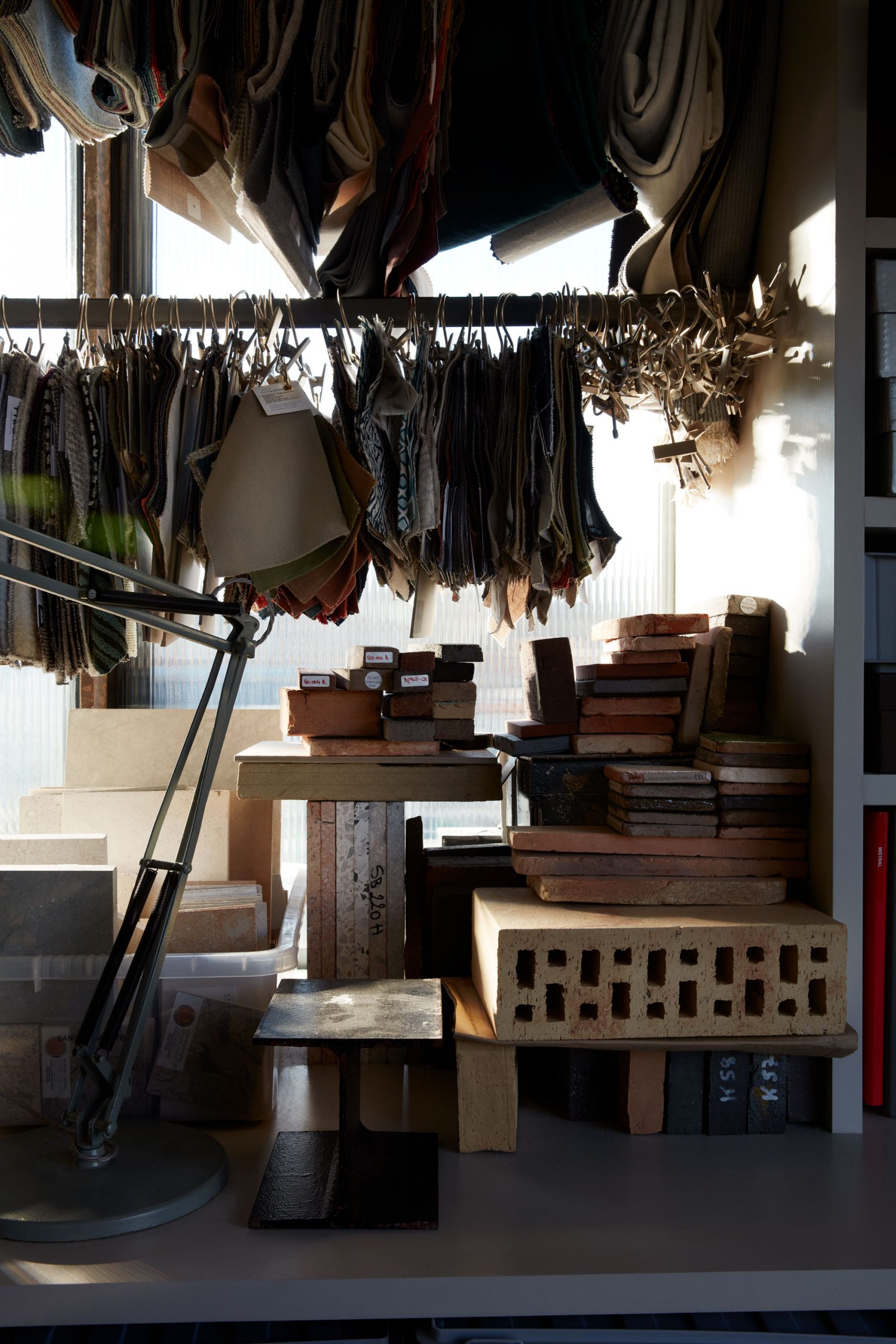
The Bermondsey studio also works as a materials library
TNE: Where did you get that sense of designing for humans?
IC: The home is important to every child because it’s your world. It’s a part of growing up. There is a film, Toto the Hero, that looks at growing up and how your borders expand. How initially it’s a room and then it’s another room and then it’s the front door and eventually it’s the world. My mum was pretty arty – she instilled in us the sense that we could make our urroundings. And that they mattered. There was always the risk that supper was purple because one of us hadn’t washed the saucepan properly after dyeing something. But where things got rocky was when she got very ill and eventually died when I was 17. As a result, our home was total mayhem. But family life – we were a big family – was always within the borders of that house. There are some funny pictures of me and my punk sisters all sitting around the kitchen table. It held us together. And still when I talk to them they remember that. That kind of awkward hanging out with my younger stroppy sisters and me muddling along cooking one pot meals that were produced far too late. But we managed. I would say our home became even more important – our home became our parent in a way, because of the absence of our mum, and it did rather well at that. To be homeless must be one of the worst states of being. There is a John Berger quote about how “without a home everything is fragmentation”. It is a base that frames our lives, and is at the heart of the real.
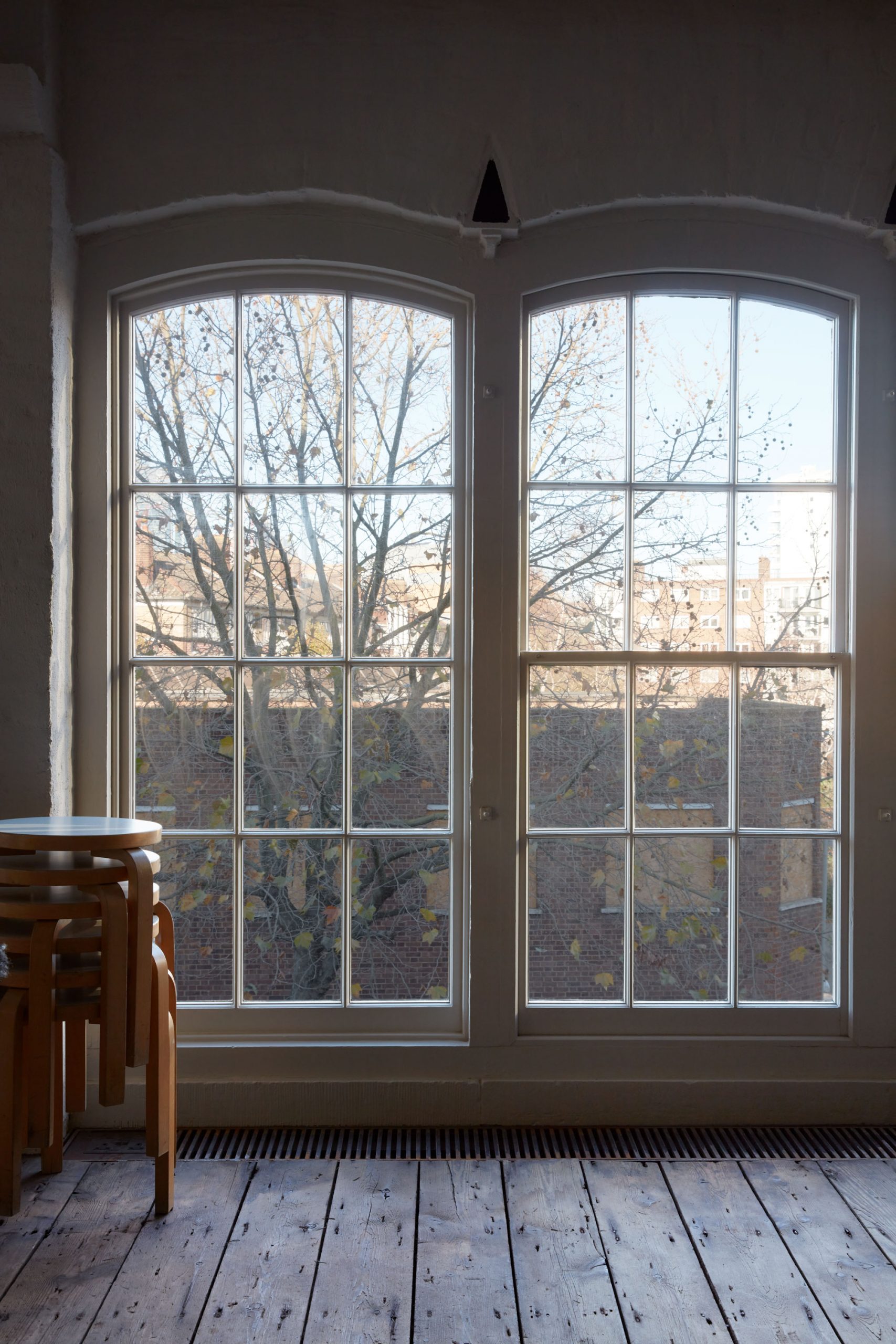
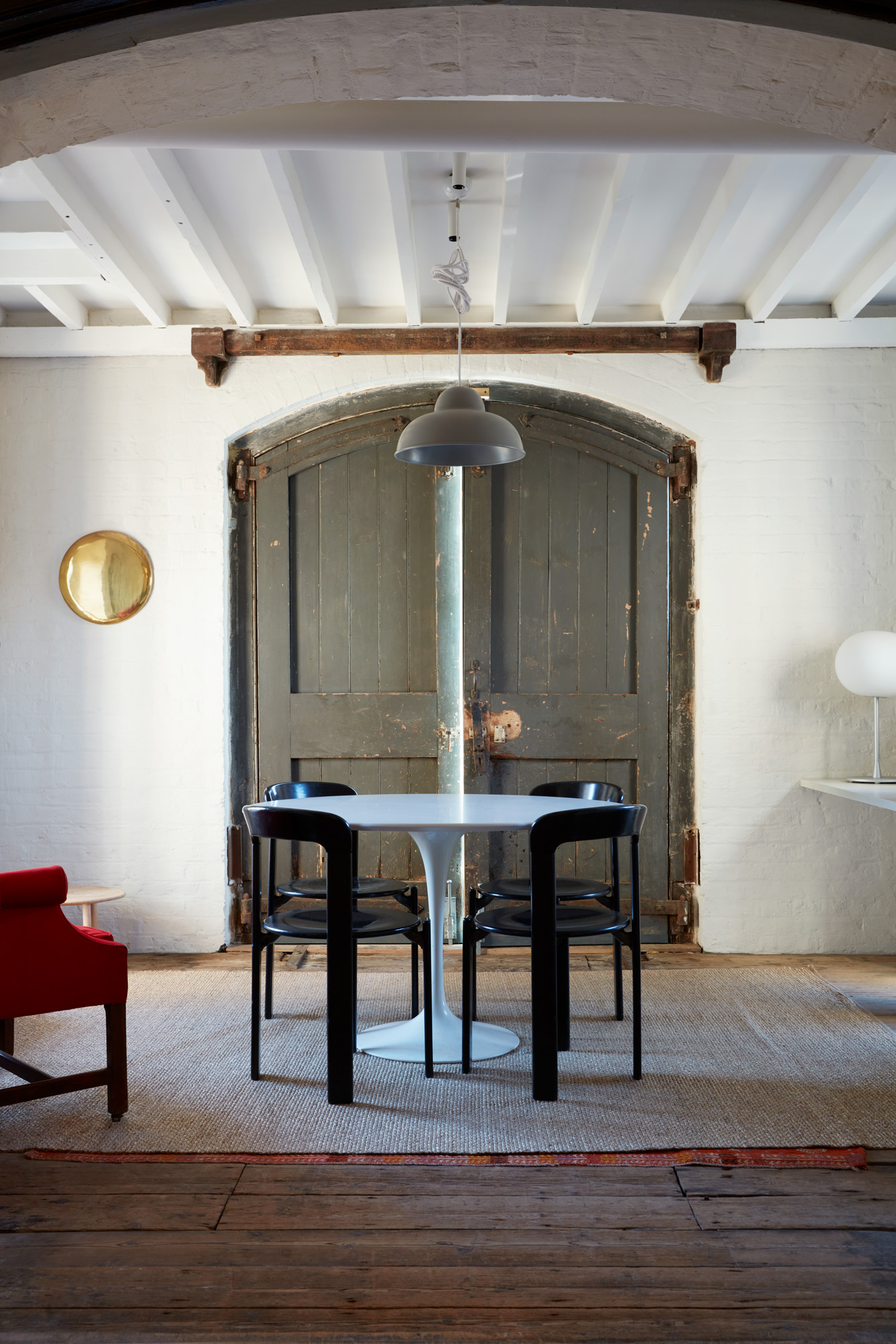
“It’s really important that the atmosphere of a studio is also one that makes you aware that you are designing a new reality. You’re not just doing the aesthetics – although it’s the language we work with – you are also understanding people’s needs and activities.”
TNE: Humanity is going from one crisis to the other. How do you think these things are going to affect our spaces and lives going forward?
IC: Climate, war, supply chains, politically the swing to the extreme right in many countries, the rising cost of living. Economically it’s going to be a tough few years for a lot of people. In the UK for example, mortgage payments have gone up 60 percent in the last year. And prices have gone up. So when many people are looking at furniture they will be testing things and thinking it through thoroughly. There’s a realisation that spaces need to work harder.
Of course there’s the bigger discussion of how our industry deals with the challenges of climate change. In general there is a growing rejection of throwaway culture and a demand for greater transparency around how things are produced. And we are holding companies accountable. Now when people are looking at furniture, for example, they will be asking more questions about where things come from, how they are produced and what they are made of. And they will be more rigorous about their needs. We are also buying more vintage. And there is a growing interest in repairing and customising existing stuff. It is important that the furniture industry recognises the importance of this and integrates it in the business model.
TNE: Are you fearful of the future?
IC: There’s no point in being negative. But it is definitely time for a rethink on lots of levels, not just climate change. Never let a good crisis go to waste. So let’s see. And it’s our our job as designers to be part of making new realities. To participate and facilitate alongside clients, manufacturers, contractors, tech, academia, NGOs. These days design is a team sport. There’s a fantastic David Graeber quote I refer to often, which is: “The ultimate hidden truth of the world is that it is something we make and could just as easily make differently.”
We’re also in an era where we are over the need for new, new, new. If you are trying to deal with the challenges that we have in front of us, we don’t necessarily always need new technologies. Why would you start from scratch every time? Having the courage to use the best ideas is what is important right now. We shouldn’t be frightened of the blindingly obvious. Or of using beauty to create change. And why not look to history, and to other parts of the world for sustainable ideas? It’s too early to say what’s going to happen, but without a doubt things will change. Hopefully we will all become more resourceful, more curious and more caring. For sure we have to look at everything we do differently.
SUGGESTIONS

October 13, 2026
October 8, 2026

September 28, 2026
September 17, 2026
September 11, 2026
September 7, 2026

September 3, 2026

March 14, 2025